

Disability allyship is a vital aspect of fostering inclusivity in today’s society. As conversations around disability rights gain momentum, understanding how to support individuals with disabilities becomes essential. Allies play a crucial role in amplifying voices, challenging misconceptions, and advocating for systemic change.
Being an ally goes beyond mere support; it involves actively engaging with the disability community, educating oneself, and addressing barriers that hinder accessibility. This article explores the principles of effective disability allyship, offering insights on how individuals can contribute to a more equitable environment for everyone. By embracing allyship, society can move closer to a future where all individuals thrive, regardless of their abilities.
Understanding Disability Allyship
Disability allyship promotes inclusivity and support for individuals with disabilities. It involves active engagement, education, and addressing barriers to accessibility.
Definition and Importance
Disability allyship refers to the ongoing commitment to understanding, advocating for, and supporting the rights of individuals with disabilities. It emphasizes the need for allies to elevate the voices of disabled individuals rather than speaking over them. Allyship plays a crucial role in fostering a more equitable society where everyone has the opportunity to participate fully, regardless of their abilities.
Key Principles of Allyship
- Educate Oneself
Educate oneself on disability issues, terminology, and the experiences of individuals with disabilities. This knowledge builds a foundation for effective allyship.
- Listen Actively
Listen actively to the needs and concerns of individuals with disabilities. This practice ensures that allies understand specific challenges and can respond appropriately.
- Advocate for Inclusion
Advocate for inclusion in all spaces. Promote policies and practices that support the rights and access of individuals with disabilities in workplaces, schools, and communities.
- Challenge Ableism
Challenge ableism by recognizing and addressing biases that marginalize individuals with disabilities. Allies must confront stereotypes and discriminatory practices.
- Support Disabled Voices
Support disabled voices by amplifying their perspectives in discussions about disability rights. Providing platforms for these voices fosters a sense of community and empowerment.
- Promote Accessibility
Promote accessibility by identifying and addressing physical and digital barriers. Allies can contribute by ensuring that spaces and resources are usable for everyone.
The Role of Allies in the Disability Community
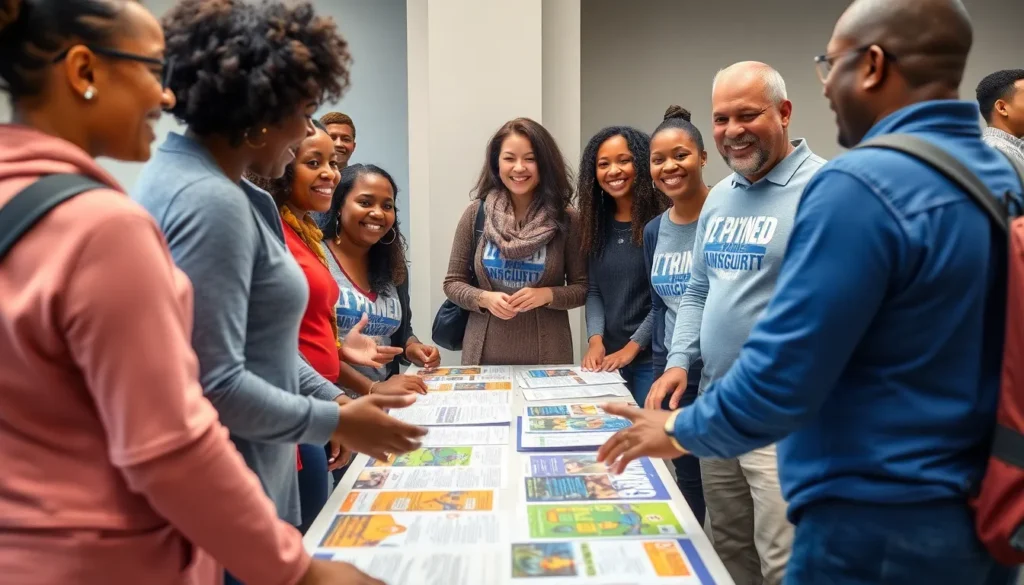
Allies play a crucial part in the disability community by actively supporting individuals with disabilities. Their role encompasses advocacy, education, and fostering inclusive environments.
How Allies Can Advocate
Allies advocate for individuals with disabilities through various actions, including:
- Raising Awareness: Allies increase visibility of disability issues by sharing information, resources, and personal stories.
- Lobbying for Change: Allies engage in policy advocacy, promoting laws that enhance accessibility and protect the rights of individuals with disabilities.
- Challenging Discrimination: Allies confront ableism in personal and professional settings, ensuring inclusivity is prioritized.
- Promoting Accessibility: Allies support initiatives that improve access to facilities, technology, and resources for individuals with disabilities.
- Platforming Disabled Voices: Allies amplify the perspectives of disabled individuals, ensuring their voices lead discussions on relevant issues.
Building Relationships with Disabled Individuals
- Listening Actively: Allies demonstrate commitment by listening to the needs and preferences of disabled individuals without interruptions or assumptions.
- Creating Trust: Allies develop trust through consistent support and respectful communication, creating safe spaces for open dialogue.
- Offering Support: Allies provide practical assistance while respecting autonomy, allowing disabled individuals to define their own needs.
- Engaging with the Community: Allies participate in disability-focused events and networks, enhancing understanding and connection within the community.
- Embracing Diversity: Allies recognize the diverse experiences within the disability community, fostering inclusivity and understanding of intersectional identities.
Challenges Faced by Allies
Allies encounter several challenges in their journey to support individuals with disabilities. These challenges often stem from societal misconceptions, stereotypes, and the difficulty of engaging in honest conversations.
Misconceptions and Stereotypes
Allies face significant barriers due to misconceptions and stereotypes surrounding disabilities. Common misunderstandings include viewing disabilities as solely physical or assuming that all disabled individuals require the same support. Stereotypes can lead to dismissive attitudes, limiting meaningful interactions between allies and the disability community. Allies should educate themselves on the diversity of disabilities, understanding that each individual’s experience differs. Recognizing the difference between visible and invisible disabilities helps to challenge stereotypes and promote a more accurate understanding of disability.
Navigating Difficult Conversations
Navigating conversations about disability often proves challenging for allies. Topics such as accessibility, ableism, and personal experiences can provoke discomfort or defensiveness. Allies may fear saying the wrong thing, leading to hesitancy in discussions. Effective allies practice active listening and create a safe space for open dialogue. They approach conversations with empathy, focusing on understanding the perspectives of disabled individuals. Emphasizing the importance of feedback allows allies to refine their approach and build trust within the community. Engaging in these difficult conversations promotes a better understanding of disability issues and fosters a more inclusive environment.
Strategies for Effective Allyship
Effective allyship requires continuous self-education and active support of those with disabilities. Implementing specific strategies can enhance this important role.
Educating Oneself about Disability Issues
Allies must engage in ongoing education about disability issues. Understanding the history, terminology, and various types of disabilities is crucial.
- Research disability rights movements to grasp the challenges faced.
- Follow reputable organizations, platforms, and individuals that advocate for disability rights.
- Attend workshops or webinars to learn about accessibility best practices.
- Read literature from disabled authors to gain insights into lived experiences.
Fostering awareness of different disabilities encourages allies to understand both visible and invisible conditions, enhancing empathy and understanding.
Supporting Disabled Voices and Leadership
Amplifying the voices of disabled individuals is key to effective allyship. Supporting their leadership promotes a more inclusive environment.
- Share platforms and opportunities with disabled individuals, allowing them to express their perspectives.
- Advocate for representation of disabled people in decision-making roles within organizations.
- Listen actively to the concerns and suggestions made by disabled individuals, incorporating their feedback into advocacy efforts.
- Collaborate with disabled leaders to co-create initiatives that promote inclusivity.
Prioritizing the leadership of disabled individuals in discussions ensures their needs and voices shape the dialogue, driving meaningful change.
Disability allyship is a vital component in the pursuit of inclusivity and equity. By actively engaging with the disability community and amplifying disabled voices, allies can foster environments where everyone thrives. The journey requires continuous education and a willingness to confront discomfort while navigating conversations about accessibility and ableism.
Allies have the power to challenge societal misconceptions and promote understanding of diverse disabilities. Through trust-building and open dialogue, they can create safe spaces for meaningful interactions. Ultimately, the commitment to disability allyship not only benefits individuals with disabilities but enriches society as a whole, paving the way for a more inclusive future.

