
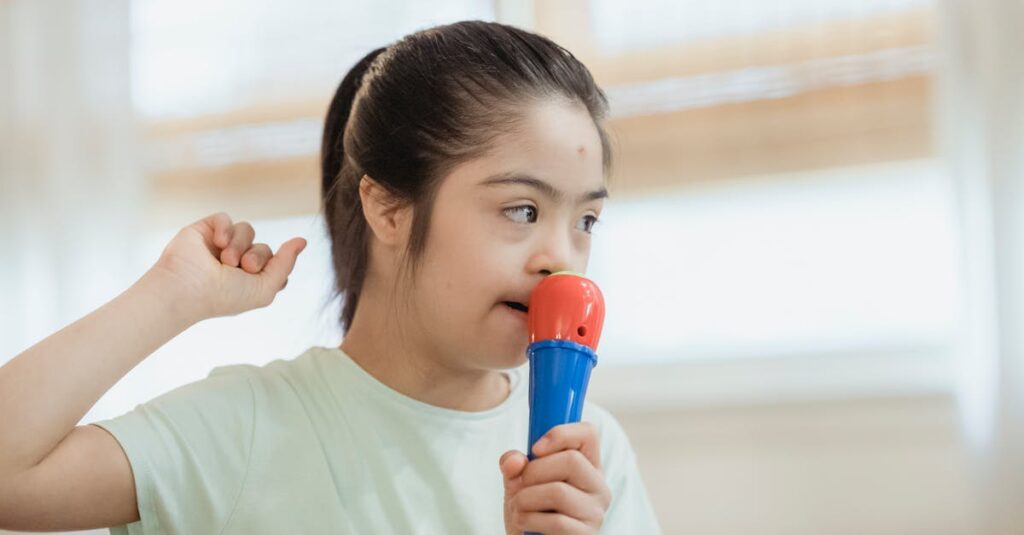
Finding the right activities for a special needs child can feel like searching for a unicorn in a haystack. But fear not! With a sprinkle of creativity and a dash of patience, parents and caregivers can unlock a treasure trove of fun, engaging experiences. These activities not only promote development but also bring joy and laughter to every moment.
Table of Contents
ToggleUnderstanding Special Needs
Special needs encompass a variety of conditions that affect a child’s ability to learn, communicate, or interact socially. Recognizing these varies helps in selecting appropriate activities.
Types of Special Needs
Autism Spectrum Disorder, Down syndrome, ADHD, and sensory processing disorders represent common types. Each condition requires unique approaches to activities for effective engagement. Children with autism might benefit from structured routines. Kids with ADHD often flourish in dynamic environments. Sensory processing challenges may necessitate activities that focus on calming stimuli. Understanding specific needs aids in creating tailored experiences that enhance enjoyment and development.
Importance of Tailored Activities
Tailoring activities to a child’s specific abilities fosters greater engagement. Individualized experiences encourage skill development and boost self-esteem. For instance, group activities often promote social skills in children with autism while providing opportunities for collaboration. Sensory play allows those with sensory sensitivities to explore textures comfortably. When caregivers adapt activities to match a child’s needs, success rates increase, leading to a more fulfilling experience for both the child and their family.
Benefits of Activities for Special Needs Child
Engaging in activities tailored for special needs children offers numerous advantages that significantly enhance their development.
Physical Development
Physical activities promote fitness and coordination in special needs children. Engaging them in movement-based exercises strengthens muscles and improves balance. Activities such as swimming or yoga cater to varied needs, providing low-impact options for those with mobility challenges. Children develop motor skills through play, like catching a ball or riding a bike, which fosters confidence in their abilities. Tailoring activities enables caregivers to accommodate specific physical requirements and preferences. Opportunities to participate in sports or dance classes encourage healthy interaction while enhancing overall physical wellbeing.
Cognitive Skills Enhancement
Cognitive development improves through engaging activities designed for special needs children. Puzzles and memory games stimulate critical thinking skills, while creative arts foster expression and imagination. Structured learning experiences break down tasks into manageable segments, empowering children to achieve objectives. Incorporating visual aids and hands-on experiments enhances understanding and retention of information. Engaging in rhythm-based activities aids memory by connecting movement with learning. Individualized learning approaches ensure that cognitive challenges are addressed effectively, promoting growth and confidence in academic settings.
Social Interaction
Social skills flourish through participation in group activities tailored for special needs children. Team sports and group games provide opportunities for cooperation and communication. Engaging in role-playing scenarios allows children to practice social cues, enhancing their understanding of interpersonal relationships. Collaborative projects, like art sessions or community service, create a sense of belonging and shared purpose. Encouragement from peers fosters positive interactions, and caregivers can guide conversations to ensure inclusiveness. Group engagement reduces feelings of isolation, building a supportive network that reinforces social bonds.
Popular Activities for Special Needs Child
Numerous activities engage special needs children. These options foster development while maintaining joy.
Art and Crafts
Art and crafts stimulate creativity for special needs children. Painting, drawing, and sculpting enhance fine motor skills. Simple projects like collages encourage self-expression and lead to sensory exploration. Group art sessions provide social interaction opportunities, fostering connections among peers. Caregivers can adapt materials to ensure accessibility, ensuring every child participates fully. Providing a comfortable space for creativity promotes confidence, allowing children to share their work with pride.
Outdoor Games
Outdoor games provide an ideal platform for active play. Activities like tag, soccer, and scavenger hunts enhance physical coordination and fitness. Labeling game rules simply helps children understand expectations, promoting inclusivity. Setting up obstacle courses can develop gross motor skills in an engaging way. Parents or caregivers often join in, reinforcing positive support during play. Outdoor environments facilitate sensory experiences, enhancing the overall enjoyment of physical activity through nature interactions.
Sensory Play
Sensory play engages children through tactile experiences. Materials like sand, water, and rice invite exploration while addressing sensory sensitivities. Setting up sensory bins allows for unstructured play, encouraging creativity within a supportive framework. Activities involving bubbles or tactile balls gradually build motor skills while maintaining engagement. Organizing sensory-focused playdates can enhance social interaction, allowing children to share sensory experiences. Caregivers often observe positive emotional responses, showcasing the effectiveness of sensory play in a child’s development.
Creating an Inclusive Environment
Creating an inclusive environment supports special needs children in thriving. Emphasis lies on adapting activities and encouraging participation.
Adapting Activities
Adaptation enhances engagement for special needs children. Adjusting activity formats to fit individual preferences proves effective. For instance, a child with autism may excel in a structured game that offers clear rules. Simplifying instructions benefits children with varying attention spans, while breaking tasks into manageable parts lowers frustration. Modifications also extend to sensory experiences, enabling children with sensory sensitivities to explore materials at their own pace. Customizing art projects can ignite creativity, accommodating different skill levels. This thoughtful approach ensures all children find joy in their activities.
Encouraging Participation
Encouragement plays a vital role in fostering confidence in special needs children. Celebrate small achievements to build motivation. Using positive reinforcement, like praise or rewards, nurtures a desire to join in. Group activities create opportunities for social interaction, helping children connect with peers. Providing choices within activities empowers children, allowing them to express preferences. Conversely, setting an inviting atmosphere fosters acceptance and reduces anxiety. Involving children in decision-making may enhance their enthusiasm and encourage active participation. Tailored approaches create a welcoming space where all children engage and feel valued.
Resources for Parents and Caregivers
Finding resources for special needs children creates valuable support for parents and caregivers. Various community programs and online tools enhance engagement and development.
Community Programs
Many communities offer programs tailored for special needs children. Local schools and organizations often provide after-school activities designed to encourage social skills. These programs may include art classes, sports teams, or summer camps specifically for special needs children. Libraries frequently host inclusive storytimes or sensory-friendly events. Healthcare providers might suggest local support groups where parents share experiences, exchange tips, and build connections. Parents can also explore recreational opportunities, such as adaptive sports leagues, which promote physical fitness while fostering teamwork.
Online Tools and Apps
Numerous online tools and apps cater to the needs of special needs children. Educational websites and platforms provide interactive learning opportunities, supporting various developmental goals. Apps focusing on communication skills help children express themselves using visuals and text. For social interaction, virtual playdates or chat rooms designed for special needs foster friendships in a safe environment. Furthermore, activity tracking apps assist parents in monitoring progress across different skill areas. Utilizing these digital tools can enhance learning and development while maintaining engagement and motivation.
Finding the right activities for special needs children may seem daunting but it’s a journey filled with opportunities for growth and connection. By embracing creativity and adapting experiences to suit individual needs, parents and caregivers can uncover a world of joy and development.
Tailored activities not only enhance skills and self-esteem but also foster social interactions and emotional well-being. With the right resources and support, every child can thrive in an inclusive environment that celebrates their unique abilities. Engaging in these enriching experiences creates lasting memories and strengthens family bonds, proving that every child deserves the chance to shine.

