

Welcoming a baby into the world is a thrilling adventure, but for some parents, it comes with unique challenges. When a little one has special needs, the journey can feel like navigating a maze blindfolded—exciting yet bewildering. But don’t worry, every twist and turn can lead to magical moments filled with joy and discovery.
Understanding Special Needs Babies
Parents of special needs babies encounter unique challenges. Understanding these challenges is crucial for providing appropriate support.
What Is a Special Needs Baby?
A special needs baby refers to an infant with physical, cognitive, or emotional conditions requiring additional care. These conditions can stem from genetic disorders, prematurity, or complications during birth. Not every baby fits typical developmental milestones. Recognizing potential differences early can aid in effective early intervention. Families often seek resources and support to navigate various challenges associated with their child’s needs.
Common Conditions Affecting Special Needs Babies
Several conditions affect special needs babies. Examples include Down syndrome, cerebral palsy, autism spectrum disorders, and sensory processing disorders. Each condition presents unique characteristics and varying degrees of impact on development. Down syndrome leads to distinct facial features and possible health issues. Cerebral palsy can cause motor skill difficulties. Early diagnosis plays a critical role in managing these conditions effectively. Resources like specialized therapies and educational programs support families through these complexities.
Parenting a Special Needs Baby
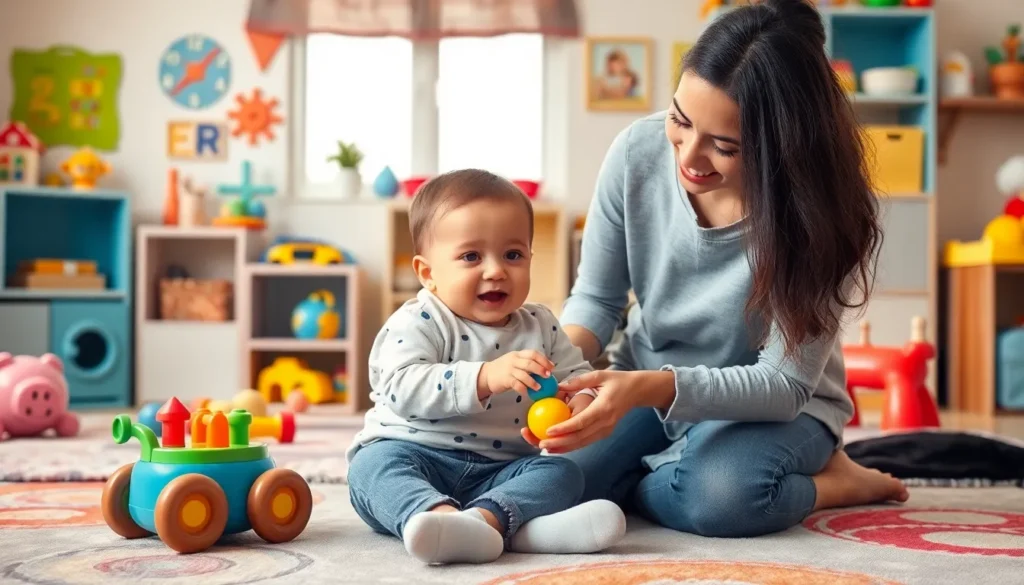
Parenting a special needs baby involves navigating an array of emotional and practical challenges. The journey often requires resilience, understanding, and access to appropriate resources.
Emotional Challenges for Parents
Parents face numerous emotional challenges, including feelings of grief, isolation, or overwhelm. Each diagnosis might bring a range of emotions, from fear of the unknown to moments of hope. Experiencing guilt for not being able to provide a conventional upbringing is common. Anxiety often creeps in related to future milestones and developmental goals. Resilience tends to build over time as parents learn to adapt and embrace their child’s uniqueness. Bonding may require different approaches, which can deepen connections despite challenges. Celebrating small victories helps in overcoming emotional hurdles.
Resources and Support Systems
Resources and support systems offer essential guidance to families. Early intervention programs play a crucial role in development and may include speech or occupational therapy. Local support groups create community connections, fostering shared experiences. Online forums provide platforms for exchanging information and advice. Financial resources, such as grants or assistance programs, alleviate the burden of medical costs. Healthcare providers can assist with navigating available services. Educational resources support learning at home and in school settings. Connecting with specialists ensures that parents have the knowledge needed to support their child’s growth effectively.
Health and Development
Health and development are critical areas of focus for special needs babies. Early recognition and intervention can significantly shape outcomes and enhance quality of life.
Early Intervention and Its Importance
Early intervention plays a pivotal role in the development of special needs babies. Research shows that engaging in targeted therapies before age three leads to better developmental outcomes. Interventions like speech therapy, physical therapy, and occupational therapy address specific needs tailored to the child. Each child’s unique requirements determine the approach, but an early start supports vital developmental milestones. Resources like early intervention programs provide families with vital support and guidance as they navigate this journey. Increased awareness of developmental delays enables parents to advocate effectively for their child’s needs.
Ongoing Medical Care and Therapies
Ongoing medical care ensures that special needs babies receive consistent support for their health challenges. Regular check-ups with pediatricians monitor growth and development, while specialists may address specific medical conditions. Collaboration among healthcare providers enhances treatment plans that include various therapies designed to improve skills. These might involve physical therapy for motor skills or speech therapy for communication. A comprehensive care strategy often incorporates educational programs that focus on cognitive development. Continuous evaluation helps adapt therapies based on progress, ensuring that each child receives the best possible care.
Creating an Inclusive Environment
Creating an inclusive environment supports the development of special needs babies. Parents and caregivers play an integral role in this process.
Adapting the Home for a Special Needs Baby
Adapting the home creates a safe and welcoming space. Removing hazards ensures that mobility remains unobstructed. Utilizing adaptive furniture accommodates diverse needs and promotes accessibility. Organizing play areas with sensory tools enhances engagement. Incorporating soft lighting reduces overstimulation. Designating quiet zones offers a retreat for when the baby feels overwhelmed. Each adjustment contributes to a more supportive living environment.
Encouraging Development Through Play
Encouraging development through play fosters growth and learning. Providing various toys stimulates sensory exploration. Choosing interactive games enhances communication skills and social interaction. Engaging in routine play sessions builds trust and strengthens bonds. Observing the baby’s interests can guide choices in activities. Incorporating familiar routines promotes comfort and predictability. This playful approach supports cognitive and physical milestones while encouraging joyful experiences.
Welcoming a special needs baby is a journey filled with challenges and triumphs. Each step taken can lead to profound growth and understanding for both the child and the parents. The unique experiences shared along the way not only shape a family’s dynamics but also foster resilience and love.
By embracing the complexities of this path and utilizing available resources, parents can create an enriching environment that supports their child’s development. Celebrating small victories and seeking support from communities can make a significant difference. Ultimately, the bond formed through this journey can be incredibly powerful, transforming challenges into opportunities for joy and connection.

