

Imagine biting into a grape that tastes like a fluffy cloud of cotton candy. It sounds like a sugary dream, right? Cotton candy grapes are the delightful result of science and a bit of agricultural magic, and they’ve taken the fruit world by storm. These sweet treats are not just for carnivals anymore; they’re making their way into lunchboxes and snack time across the country.
Overview of Cotton Candy Grapes
Cotton candy grapes are a product of careful agricultural innovation. Developed by horticulturists at the International Fruit Genetics (IFG) company, these grapes possess a unique flavor profile that closely resembles cotton candy. Varietal selection plays a key role in achieving their distinctive taste.
Typically, cotton candy grapes originate from a seedless variety, providing a convenient snacking option. These grapes achieve their sweetness through a specialized breeding process rather than genetic modification. Breeding techniques focus on selecting parent plants that naturally offer the desired taste attributes.
Harvest seasons for cotton candy grapes usually occur from late summer through early fall in regions that allow for optimal growing conditions. The grapes thrive best in warm climates, requiring full sun to reach their peak sweetness.
Market availability has expanded significantly since their introduction. Cotton candy grapes can be found in grocery stores and specialty produce sections across the United States. Their growing popularity highlights a shift towards innovative fruits that appeal to consumers looking for both flavor and health benefits.
Nutritionally, these grapes offer similar benefits to standard grape varieties. High water content ensures hydration, while essential vitamins and antioxidants contribute to overall health. Parents often appreciate this nutritious snack alternative for children, combining enjoyment with health-conscious choices.
Cotton candy grapes reflect a blend of advanced horticultural practices and consumer demand for unique food experiences. The striking combination of taste and convenience positions them well in today’s fruit market.
The Science Behind the Flavor
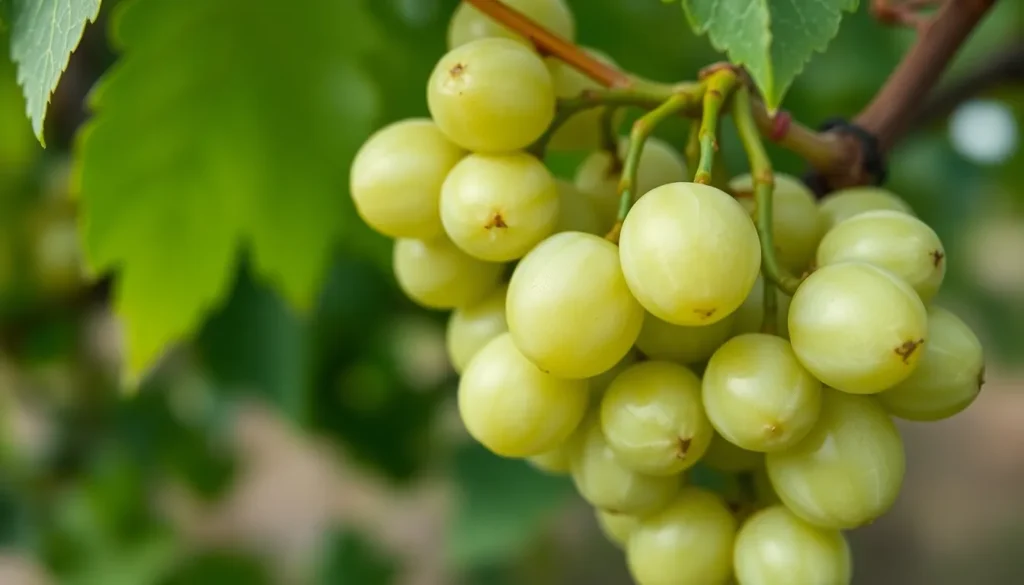
Cotton candy grapes showcase unique flavor profiles created through specific scientific methods. These grapes derive their sweetness from an intricate understanding of plant genetics and selective breeding.
The Role of Genetics
Genetics plays a vital role in the flavor of cotton candy grapes. Horticulturists select parent grape varieties with desirable attributes, such as sweetness and flavor complexity. This selection process is guided by knowledge of inheritance patterns, ensuring offspring inherit preferred characteristics. The result manifests in grapes that taste remarkably similar to cotton candy while maintaining the texture and nutritional benefits of traditional grapes. This genetic optimization process is key in producing a fruit that satisfies both taste and health-conscious consumers.
Crossbreeding Techniques
Crossbreeding techniques contribute significantly to the development of cotton candy grapes. Horticulturists employ controlled pollination to combine traits from different grape varieties. By carefully selecting parent plants, they can enhance specific flavors or desirable growth traits. This method allows for the creation of hybrids without genetic modification, ensuring a natural product. Additionally, the tedious process of trial and error in selecting the best hybrids leads to the consistent sweetness found in cotton candy grapes. Ultimately, these techniques illustrate the intersection of science and agriculture in producing innovative food experiences.
The Growing Process
Cotton candy grapes require specific conditions for optimal growth.
Ideal Growing Conditions
Warm, sunny climates promote the healthiest growth. Regions like California and southern areas effectively support these grapes. Moderate temperatures help in the development of unique sweetness. Well-drained soils, rich in organic matter, also contribute positively to their flavor profile. Irrigation methods must maintain consistent soil moisture without waterlogging. Pests and diseases must be managed effectively to ensure high-quality yields. Suitable weather, combined with these soil conditions, leads to a bountiful harvest of flavorful grapes.
Harvesting Techniques
Timing is crucial during the harvest. Grapes should only be picked when they reach peak ripeness, usually late summer through early fall. Skilled workers gently hand-pick the clusters to avoid bruising. Quality control measures ensure only the best grapes make it to market. Packing requires immediate attention to maintain freshness, often using breathable containers. Attention to detail in harvesting and packing helps preserve the distinctive flavor. This careful approach ultimately enhances the consumer’s experience with cotton candy grapes.
Taste and Texture Comparison
Cotton candy grapes offer a unique sensory experience compared to traditional grapes. Their sweetness mimics the flavor of cotton candy while maintaining the juicy texture typical of grapes.
Traditional Grapes vs. Cotton Candy Grapes
Traditional grapes are known for their slightly tart or neutral flavors, showcasing a range of varietals like Concord or Thompson Seedless. In contrast, cotton candy grapes deliver a sweet burst reminiscent of carnival treats, appealing to those who prefer a sugary snack.
The texture of both types remains similar; they are both crisp and juicy. However, cotton candy grapes stand out due to their enhanced sweetness. While traditional grapes provide complex flavor profiles, the singular, pronounced taste of cotton candy grapes creates a novel experience for consumers.
Overall, the appealing sweetness and crispness of cotton candy grapes have positioned them as a popular alternative to traditional grapes in many households.
Health Benefits of Cotton Candy Grapes
Cotton candy grapes offer several health benefits, similar to traditional grape varieties. Rich in water, these grapes provide hydration, making them an excellent snack option. Containing vitamins C and K, they promote overall health by supporting the immune system and aiding in bone health.
Antioxidants present in cotton candy grapes combat oxidative stress, reducing the risk of chronic diseases. They contain flavonoids and phenolic compounds that contribute to heart health by improving blood circulation. High fiber content helps support digestive health, promoting regularity and overall gut health.
Including cotton candy grapes in a balanced diet can satisfy sweet cravings while providing essential nutrients. Their natural sweetness makes them a healthier alternative to sugary snacks and desserts. Parents appreciate this aspect, as it allows them to offer enjoyable snacks without the guilt associated with processed treats.
Low in calories, cotton candy grapes are ideal for those monitoring their weight. Half a cup of these grapes contains about 60 calories, making them a light snack choice. This flavorful option can easily be included in fruit salads or served as an on-the-go snack.
Incorporating cotton candy grapes into meals can enhance taste while boosting nutritional value. They pair well with cheeses, nuts, and salads, providing a burst of sweetness and promoting a balanced diet. Finding ways to enjoy their distinct flavor can make healthy eating enjoyable for everyone.
Cotton candy grapes represent a remarkable fusion of science and nature. Their unique sweetness and appealing flavor have transformed them into a beloved snack for many. With their nutritional benefits and low-calorie count, these grapes offer a guilt-free indulgence that satisfies sweet cravings.
As they continue to gain popularity across grocery stores and households, cotton candy grapes are proving that innovative agricultural practices can create delightful food experiences. Their rise in the market reflects a growing consumer desire for healthier yet enjoyable snack options. Whether enjoyed on their own or added to meals, cotton candy grapes are here to stay as a favorite fruit choice.

